


Frequently asked questions
About this category
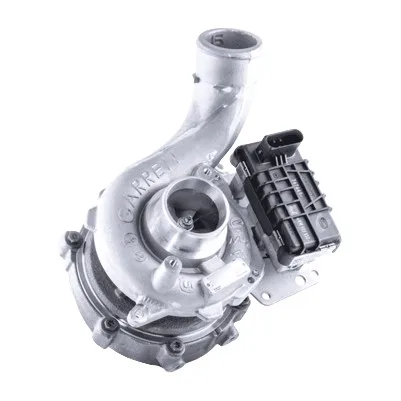
The 3.0 TDI 211 hp turbo category addresses a widespread need in the automotive aftermarket, where diesel engines remain dominant in commercial and passenger vehicles. This segment covers a range of applications from SUVs to light trucks, all sharing a common requirement for robust, high-performance turbochargers. Whether for routine maintenance or performance upgrades, remanufactured turbos provide a cost-effective solution without sacrificing reliability, making them a preferred choice for both professionals and enthusiasts.
This range is built on a foundation of remanufacturing expertise, where core components are restored to near-original condition through precision engineering and rigorous testing. The role of the wholesaler in this process is to ensure that each turbo meets the exacting standards of the original equipment manufacturer, while offering competitive pricing and flexible logistics. By sourcing from trusted suppliers, we deliver a consistent supply of high-quality turbos that align with the demands of modern diesel engines.
Professional uses by trade
Different user profiles approach the 3.0 TDI 211 hp turbo category with distinct priorities, whether it’s minimizing vehicle downtime, ensuring long-term reliability, or balancing cost and performance. Professionals prioritize efficiency and compatibility, while enthusiasts focus on maintaining original performance levels.
- Le garagiste independant : Replaces a failing turbo on a 2012 Audi Q7 3.0 TDI to restore full power delivery and avoid costly engine damage.
- Le garagiste independant : Sources a remanufactured turbo for a 2015 Volkswagen Touareg to meet a client’s budget without compromising on quality.
- L'automobiliste depanne : Purchases a turbo for a 2010 Porsche Cayenne to address sudden power loss and avoid a complete engine overhaul.
- L'automobiliste depanne : Finds a compatible turbo for a 2013 Skoda Superb 3.0 TDI to restore smooth acceleration and reduce fuel consumption.
- Le passionne qui fait lui-meme : Installs a remanufactured turbo on a modified 2008 Audi A6 to enhance performance while keeping costs under control.
- Le passionne qui fait lui-meme : Replaces a worn-out turbo on a 2014 Seat Exeo 3.0 TDI to maintain original driving dynamics and reliability.
- Der deutsche Kaeufer (DACH) : Orders a turbo for a 2011 BMW X5 3.0d to ensure long-term durability and adherence to German engineering standards.
Range comparison
The following turbos are selected for their direct compatibility with the 3.0 TDI 211 hp engine across multiple vehicle platforms, ensuring seamless integration and reliable performance.
| Range | Use | Format |
|---|---|---|
| SL Turbo 5304 988 0054 | Direct fit for Audi Q7 and Porsche Cayenne | |
| SL Turbo 776470-5003W | Universal application for VW Touareg and related models |
How to choose
Selecting the right turbo for a 3.0 TDI 211 hp engine requires attention to several key factors, including compatibility, condition, and long-term reliability.
- Conditioning: Opt for a turbo with a remanufactured core to ensure consistent performance and extended service life.
- Compatibility: Verify the turbo’s fitment with your vehicle’s exact model year and engine code to avoid installation issues.
- Packaging: Choose turbos packaged in protective, moisture-resistant materials to prevent damage during transit.
- Rotation: Prioritize suppliers with a high turnover of stock to ensure fresh, recently remanufactured units.
- Traceability: Select turbos with clear documentation of the remanufacturing process for transparency and trust.
- Core deposit: Consider suppliers offering a core deposit system to reduce upfront costs and encourage returns of used turbos.
- Warranty terms: Review the warranty coverage provided, even if it’s not quantified, to understand the level of protection offered.
Storage & logistics
Proper storage of remanufactured turbos is essential to maintain their condition and performance until installation. Keep units in a dry, temperature-controlled environment away from direct sunlight and contaminants like dust or oil residues. For bulk storage, use shelving with protective coatings to prevent corrosion, and ensure that each turbo is sealed in its original packaging or a comparable alternative. Rotate stock regularly to prevent stagnation, and inspect units periodically for signs of moisture ingress or physical damage. When handling, avoid dropping or subjecting turbos to mechanical stress, as even minor impacts can affect internal components like the CHRA or wastegate. Always store turbos in an upright position to prevent lubricant leakage from the center housing, which could compromise performance upon installation.
With over a decade of experience in remanufacturing turbos for high-performance diesel engines, our team ensures each unit meets the same standards as the original equipment, delivering reliability without the premium price tag of new parts.— autoKUR team
Related categories
Browse our other ranges:
Useful references
For regulatory and sector references, see Reglement (UE) 461/2010 — pieces de rechange et garantie constructeur.