


Frequently asked questions
About this category
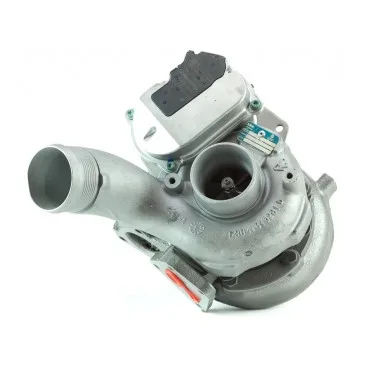
The 2.7 TDI 180 hp turbo category addresses a common challenge in diesel engine maintenance: restoring lost power due to a failing turbocharger. This range includes exchange standard turbos designed for motorizations such as the Audi A6 2.8 TDI (2004-2011) or Volkswagen Transporter T5 (2003-2015), where the original turbo’s performance degrades over time. The turbos listed here are remanufactured to original specifications, offering a cost-effective alternative to new OEM parts while maintaining reliability.
This range is curated for professionals and enthusiasts who require turbos that match the exact motorization codes and power outputs of their target vehicles. The selection process prioritizes compatibility with the 2.7 TDI 180 hp engine, ensuring that each turbo—whether from Garrett or BorgWarner—fits seamlessly into the existing system without modifications. The turbos are sourced from suppliers specializing in remanufacturing, where worn components are replaced and tested to restore factory performance.
Professional uses by trade
Different users approach turbo replacement with distinct priorities: garages focus on efficiency and traceability, DIY mechanics seek ease of installation, and German buyers demand precision in motorization matching. Each group requires turbos that align with their workflow and technical constraints.
- Le garagiste independant : Uses turbos with clear OEM references to minimize diagnostic time and ensure first-time fit for the 2.7 TDI 180 hp, reducing labor costs and customer downtime.
- L'automobiliste depanne : Prefers exchange standard turbos that restore power without requiring specialized tools or professional installation, simplifying the repair process.
- Le passionne qui fait lui-meme : Selects turbos based on motorization compatibility and ease of mounting, often opting for units with visible remanufacturing marks for transparency.
- Der deutsche Kaeufer (DACH) : Prioritizes turbos with German-engineered components like BorgWarner, known for durability in high-mileage diesel applications.
- Le garagiste independant : Relies on turbos with standardized packaging and barcodes for inventory management, streamlining bulk orders for multiple motorizations.
- L'automobiliste depanne : Chooses turbos with included installation guides or video tutorials to facilitate self-replacement, especially for common failures like boost leaks or wastegate issues.
- Der deutsche Kaeufer (DACH) : Seeks turbos with long-standing supplier relationships, ensuring consistent quality and availability for older 2.7 TDI models.
Range comparison
The turbos listed below are selected for their direct compatibility with the 2.7 TDI 180 hp engine, covering motorizations from Audi, Volkswagen, and other manufacturers. Each unit is remanufactured to original specifications, with references traceable to OEM standards.
| Range | Use | Format |
|---|---|---|
| Turbo Garrett 769701-5003S | Direct fit for Audi A6 2.8 TDI | |
| Turbo BorgWarner - KKK 5304 988 0055 | High-flow option for VW Transporter T5 |
How to choose
Selecting the right turbo for the 2.7 TDI 180 hp requires attention to motorization codes, power output, and the type of turbo failure. Professionals should verify the turbo’s compatibility with the vehicle’s ECU and exhaust system to avoid mismatches.
- Verify the motorization code (e.g., AKE, AJM) to ensure the turbo matches the engine’s displacement and power output, preventing fitment issues.
- Check the turbo’s geometry type (fixed or variable) to confirm it aligns with the vehicle’s boost control system and driving conditions.
- Inspect the turbo’s condition indicators, such as oil seals or bearing wear, to assess whether remanufacturing has addressed common failure points.
- Confirm the turbo’s packaging includes OEM references and barcodes for traceability in inventory systems, aiding in bulk procurement.
- Prioritize turbos with visible remanufacturing marks, such as polished housings or new cartridges, to ensure transparency about the unit’s condition.
- For high-mileage vehicles, select turbos with reinforced shafts or upgraded bearings to extend service life under demanding conditions.
- Compare the turbo’s dimensions and mounting points with the original unit to rule out discrepancies in bolt patterns or flange types.
Storage & logistics
For B2B storage, turbos in this category require controlled environments to prevent contamination or moisture damage. Units should be stored in sealed, anti-static bags with desiccant packs to maintain the integrity of the CHRA and cartridge. Rotation of stock is critical to ensure turbos are used within their recommended shelf life, typically 12-24 months, depending on supplier guidelines. Warehouses should implement FIFO (First In, First Out) systems to prioritize older units and reduce the risk of obsolescence. Regular inspections for oil leaks or bearing play are advised to maintain the turbos’ remanufactured condition before dispatch.
With over a decade of experience in remanufacturing turbos for European diesel engines, our team ensures each 2.7 TDI 180 hp unit meets the rigorous standards of independent garages and DIY mechanics alike, offering consistent performance without compromising on compatibility.— autoKUR team
Related categories
Browse our other ranges:
Useful references
For regulatory and sector references, see Reglement (UE) 461/2010 — pieces de rechange et garantie constructeur.