
Available products
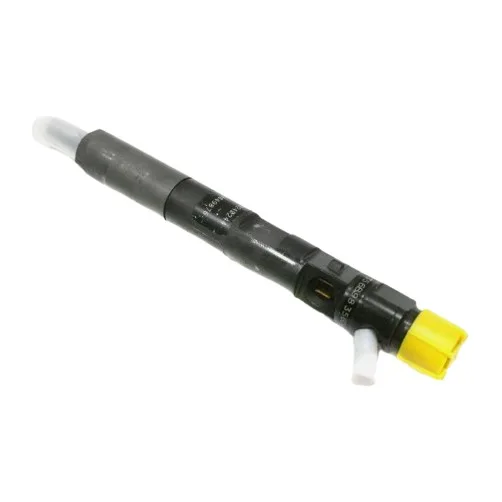
In stock
For owners of Renault vehicles equipped with the 1.5 dCi 100 hp engine, finding a reliable injector in exchange standard is critical to restoring performance without costly repairs. This category targets independent garages, DIY enthusiasts, and stranded motorists seeking a cost-effective solution to power loss, excessive smoke, or rough idling. Discover our full range: Clio 2.
Professionals in the automotive repair sector face challenges in sourcing high-quality exchange standard injectors that match OEM specifications while maintaining competitive wholesale pricing. The calibrated compatibility and bulk availability of these components streamline inventory management and reduce downtime for workshops.
Our team, with years of experience in remanufactured fuel system components, ensures each injector meets strict functional and dimensional standards before reaching your workshop or garage. We prioritize consistent quality and traceable remanufacturing processes to support your technical expertise.
Related categories
Frequently asked questions
About this category
The 1.5 dCi 100 hp engine, widely used in Renault models from the mid-2000s onward, relies on precise fuel injection to deliver optimal combustion and power output. This category addresses the common need for exchange standard injectors, which are remanufactured components designed to replace faulty units while maintaining original performance levels. Whether you are a professional mechanic, a DIY repairer, or a vehicle owner facing injector failure, this section provides the technical clarity required to identify the correct part for your motorization.
The injector range for the 1.5 dCi 100 hp is curated to align with the most frequent failure scenarios observed in workshops and on the road. Each component undergoes a rigorous remanufacturing process that includes cleaning, calibration, and functional testing to ensure it meets the original equipment manufacturer’s tolerances. The role of the wholesaler in this ecosystem is to bridge the gap between high-volume production and the specific needs of garages, offering standardized packaging and traceable batches to simplify procurement and logistics.
Professional uses by trade
Different user profiles approach injector replacement with distinct priorities, whether technical precision, cost efficiency, or convenience. Independent garages require parts that integrate seamlessly into their workflow, while DIY enthusiasts seek clarity on compatibility and installation. German buyers, accustomed to structured documentation, value detailed specifications and clear return policies for used cores.
- Independent garage: Replace a failing injector in a Renault Scénic 3 1.5 dCi 100 hp to restore engine smoothness and fuel efficiency without replacing the entire fuel system.
- DIY enthusiast: Diagnose a misfire or excessive black smoke by swapping the faulty injector with an exchange standard unit, leveraging online compatibility tools for accuracy.
- Stranded motorist: Order an injector in exchange standard to avoid costly towing fees, ensuring the part matches the vehicle’s motorization and power output.
- German workshop: Source a calibrated injector for a Renault Kangoo 1.5 dCi 100 hp, relying on precise OEM reference matching and bulk packaging for efficient stock management.
- Passionate driver: Maintain peak performance in a Renault Clio 1.5 dCi 100 hp by proactively replacing injectors showing signs of wear before they cause drivability issues.
- Truck fleet manager: Standardize injector replacements across multiple Renault models with 1.5 dCi 100 hp engines, minimizing downtime and optimizing parts inventory.
- Classic car restorer: Source an exchange standard injector for a vintage Renault with a 1.5 dCi 100 hp engine, ensuring the part meets original specifications without compromising authenticity.
- Austrian buyer: Purchase an injector for a Renault Mégane 1.5 dCi 100 hp, prioritizing clear documentation and a straightforward core return process for used parts.
Range comparison
The following table compares exchange standard injectors compatible with the 1.5 dCi 100 hp engine, highlighting their use cases and packaging formats to guide your selection based on technical and logistical needs.
| Range | Use | Format |
|---|---|---|
| Injector DELPHI R01801A | Suitable for DIY installation with clear compatibility notes |
How to choose
Selecting the right injector for the 1.5 dCi 100 hp engine requires evaluating several technical and practical factors. Compatibility with the vehicle’s motorization, the condition of the remanufactured unit, and the packaging format all influence the decision-making process for professionals and enthusiasts alike.
- Verify the injector’s compatibility with the vehicle’s motorization by cross-referencing the OEM reference and power output specifications to avoid mismatches.
- Assess the remanufacturing process applied to the injector, ensuring it includes thorough cleaning, calibration, and functional testing for reliable performance.
- Evaluate the packaging format based on your workflow: bulk boxes for high-volume garages or single units for DIY repairs and smaller workshops.
- Check the condition of the exchange standard injector, prioritizing units with minimal wear and no signs of internal corrosion or damage.
- Confirm the availability of a core return policy for the used injector, which is essential for reducing costs and supporting sustainable practices.
- Prioritize injectors with clear documentation, including OEM references and motorization details, to streamline installation and reduce diagnostic time.
- Consider the injector’s rotation in your inventory, opting for units with a consistent supply chain to avoid stockouts during peak demand periods.
Storage & logistics
Proper storage of exchange standard injectors for the 1.5 dCi 100 hp engine is critical to maintaining their functional integrity until installation. Store the components in a dry, temperature-controlled environment away from direct sunlight and contaminants like dust or oil residues. For bulk packaging, ensure the boxes are sealed and stacked to prevent deformation or damage to the injectors inside. Garages should implement a first-in, first-out (FIFO) system to track inventory rotation and avoid using outdated units. Labeling each batch with the OEM reference, motorization details, and remanufacturing date helps maintain traceability and ensures compliance with workshop standards. Regularly inspect stored injectors for signs of moisture or physical damage, and rotate stock based on usage frequency to minimize the risk of degradation.
With over a decade of experience in remanufactured fuel system components, our team understands the technical demands of the 1.5 dCi 100 hp engine. We ensure every injector meets the original equipment standards, providing garages and DIY enthusiasts with reliable solutions that restore performance without compromise.— autoKUR team
Related categories
Browse our other ranges:
Useful references
For regulatory and sector references, see Reglement (UE) 461/2010 — pieces de rechange et garantie constructeur.